A Comprehensive Guide to Custom Chatbot Development


Introduction to Custom Chatbot Development
In today's digital era, chatbots have become an essential tool for businesses looking to enhance customer interaction and streamline operations. Custom chatbot development allows companies to create tailored solutions that align perfectly with their specific needs and goals.
This guide will walk you through the process of developing a custom chatbot, highlighting the key steps and considerations involved. Whether you're new to chatbot development or looking to refine your existing strategy, this comprehensive guide has something for you.
Understanding Your Business Needs
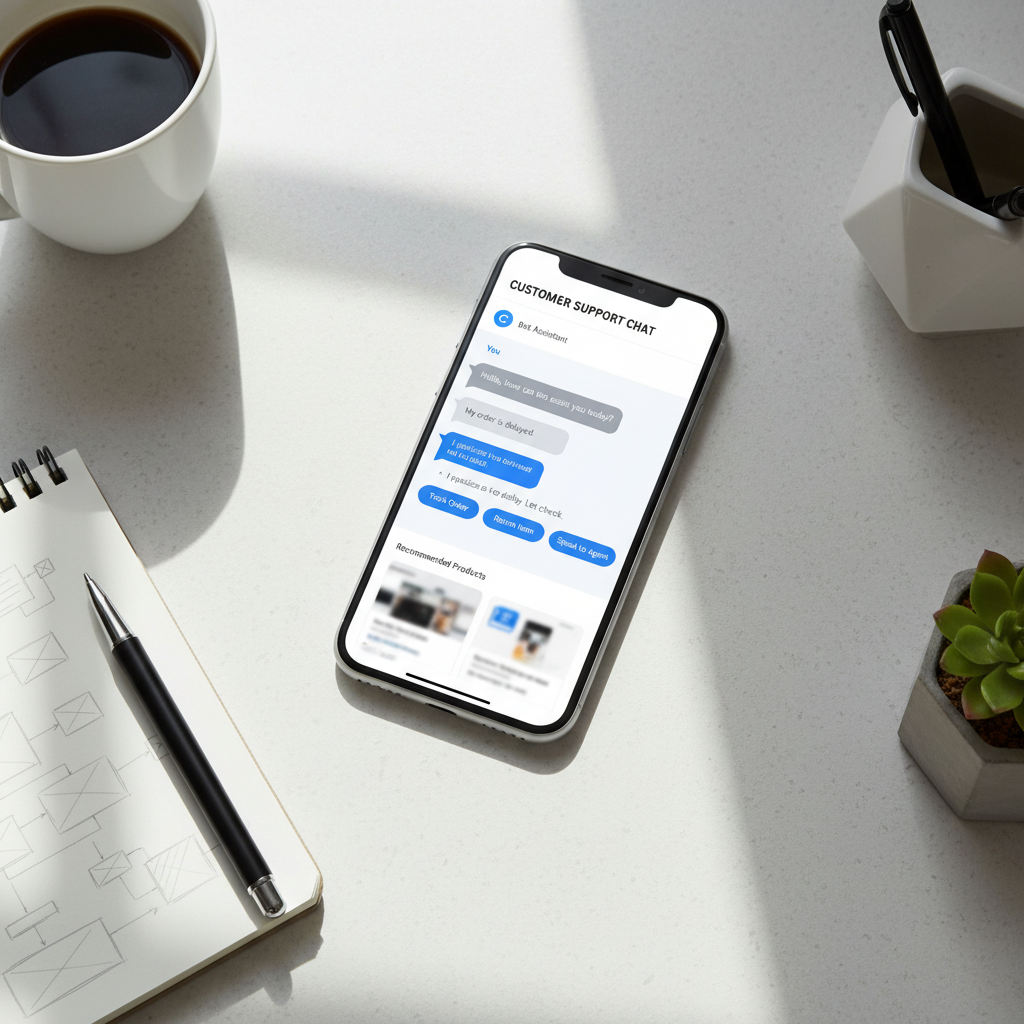
Before diving into the development process, it's crucial to understand what you want to achieve with your chatbot. Are you looking to improve customer service, increase sales, or automate routine tasks? Clearly defining your objectives will help shape the design and functionality of your chatbot.
Consider the following when defining your needs:
- Identify the primary purpose of the chatbot.
- Understand your target audience and their preferences.
- Determine the key features and functionalities required.
Choosing the Right Development Platform
Once you have a clear understanding of your needs, the next step is to choose the right platform for development. There are several platforms available, each offering unique features and benefits. Some popular options include:
- Microsoft Bot Framework
- Dialogflow
- IBM Watson Assistant
Consider factors such as ease of use, integration capabilities, and scalability when selecting a platform.
Designing the User Experience
The user experience (UX) is a critical aspect of chatbot development. A well-designed UX ensures that interactions are seamless and intuitive. Focus on creating a conversational flow that is engaging and easy to navigate.
Here are some tips for designing an effective UX:
- Use natural language processing to understand user queries.
- Incorporate personalization to enhance user engagement.
- Ensure the chatbot provides clear and concise responses.
Implementing AI and Machine Learning
Integrating AI and machine learning into your chatbot can significantly enhance its capabilities. These technologies enable the chatbot to learn from interactions and improve over time, offering more accurate and personalized responses.
Consider incorporating the following AI features:
- Sentiment analysis to understand user emotions.
- Predictive analytics to anticipate user needs.
- Continuous learning for ongoing improvement.
Testing and Deployment
Before launching your chatbot, thorough testing is essential to ensure it functions correctly and meets user expectations. Conduct various tests to identify and fix any potential issues, focusing on functionality, performance, and security.
Once testing is complete, deploy the chatbot on your chosen platforms, such as your website, social media channels, or messaging apps. Monitor its performance and gather user feedback to make necessary adjustments.
Conclusion
Custom chatbot development is a powerful way to enhance customer engagement and streamline business operations. By following the steps outlined in this guide, you can create a chatbot tailored to your specific needs, providing a valuable tool for your organization.
Remember, the key to a successful chatbot lies in continuous improvement and adaptation to evolving user demands. Stay informed about the latest trends and technologies to keep your chatbot relevant and effective.