Emerging Technologies in Chatbot Development: What Businesses Need to Know


Understanding Emerging Technologies in Chatbot Development
Chatbots have rapidly evolved over the past few years, transforming from simple scripted bots to sophisticated AI-driven solutions. As technology continues to advance, businesses must stay informed about these emerging technologies to leverage chatbots effectively. In this post, we will explore some of the key technologies shaping the future of chatbot development.

AI and Machine Learning
Artificial Intelligence (AI) and Machine Learning (ML) are at the heart of modern chatbot development. These technologies enable chatbots to learn from interactions, improving their ability to understand and respond to user queries. With AI, chatbots can provide more personalized and relevant responses, enhancing user experience and engagement.
Businesses should focus on integrating AI and ML into their chatbots to ensure they remain competitive. By doing so, they can offer more dynamic and human-like interactions, ultimately boosting customer satisfaction.
Natural Language Processing
Natural Language Processing (NLP) is another crucial component in chatbot development. NLP allows chatbots to understand and interpret human language, making interactions more intuitive. This technology helps chatbots recognize context, sentiment, and intent, which are essential for delivering accurate responses.

Investing in NLP capabilities can significantly enhance a chatbot's effectiveness. Businesses can use NLP to develop chatbots that understand complex queries and provide insightful solutions, setting themselves apart from competitors.
Voice Recognition and Conversational AI
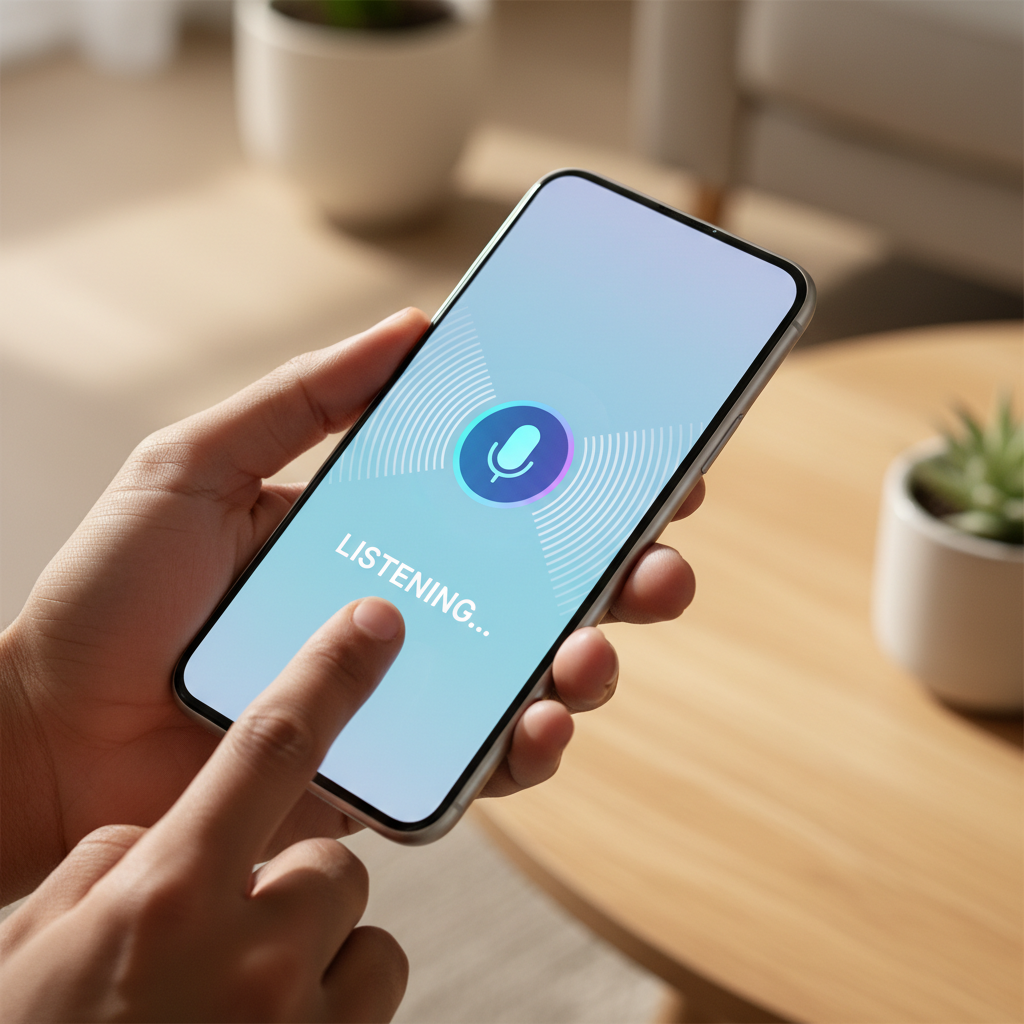
With the rise of voice-activated devices, voice recognition technology is becoming increasingly important in chatbot development. Integrating voice capabilities allows chatbots to interact with users through spoken language, offering a more natural and convenient user experience.
Conversational AI takes this a step further by enabling chatbots to maintain context, manage dialogues, and handle multi-turn conversations seamlessly. Businesses should consider incorporating these technologies to meet the growing demand for voice-enabled interactions.
Integration with IoT Devices
The Internet of Things (IoT) is expanding rapidly, and chatbots are starting to play a role in managing and controlling connected devices. By integrating chatbots with IoT, businesses can offer users a unified interface to interact with various smart devices, enhancing convenience and user experience.
For example, a chatbot can be used to adjust a smart thermostat, control lighting, or monitor security systems through simple voice or text commands. This integration allows businesses to create more comprehensive and interactive solutions for their customers.
Security and Privacy Considerations
As chatbots become more sophisticated, ensuring security and privacy is paramount. Businesses must adopt robust security measures to protect sensitive user data and maintain customer trust. Encryption, authentication, and compliance with data protection regulations are essential components of a secure chatbot strategy.

By prioritizing security and privacy, businesses can safeguard their operations and build stronger relationships with their customers. This focus on protection will be crucial as chatbots continue to handle more complex and sensitive interactions.
In conclusion, staying informed about emerging technologies in chatbot development is vital for businesses looking to harness the full potential of these tools. By embracing AI, NLP, voice recognition, IoT integration, and prioritizing security, companies can create advanced, user-friendly chatbots that enhance customer experiences and drive growth.